THE DESTINATIONS
METROPOLITAN AREA of Bologna
In 2015, the municipalities that made up the province of Bologna became the Metropolitan City, effectively replacing the provincial administrative body and merging 55 municipalities -
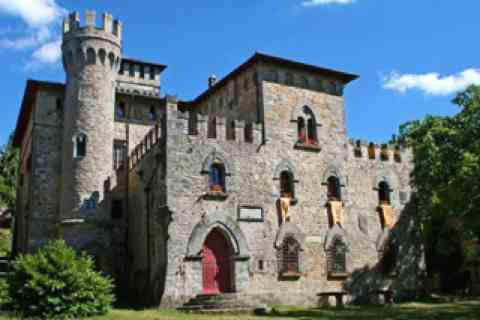
ALTO RENO THERMS - Bologna
ALTO RENO TERME is the name of the new administrative entity that was born on January 1, 2016, from the merger of the municipalities of PORRETTA TERME and GRANAGLIONE. Located at the border with the Tuscan territory of the prov
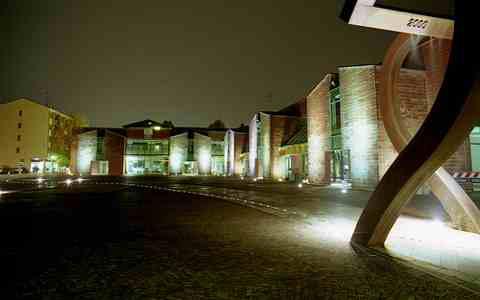
ANZOLA EMIILIA - Bologna
Anzola dell’Emilia is an Italian municipality of 12,260 inhabitants in the province of Bologna. In old times its name was Unciola, which is probably derived from the tradition that was in ancient time
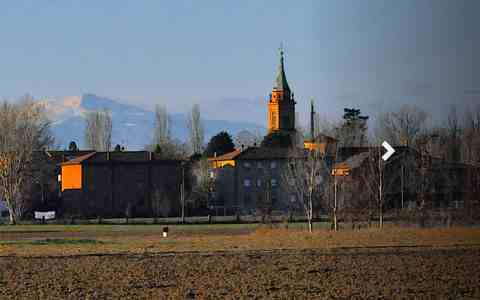
ARGELATO - Bologna
Argelato is a municipality of 9.823 inhabitants, in the province of Bologna. Its name probably derives from the characteristics of the territory, whether it is the predominantly clayey soil or the wor
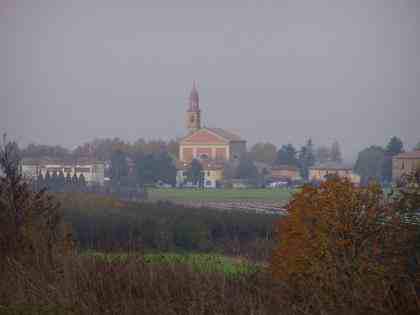
BARREL VAULT - Bologna
Baricella is a village of 5,727 inhabitants in the province of Bologna. In ancient times, around 1300, its name was Guazzarello, that is "soaking in the water", which indicated that in these territori
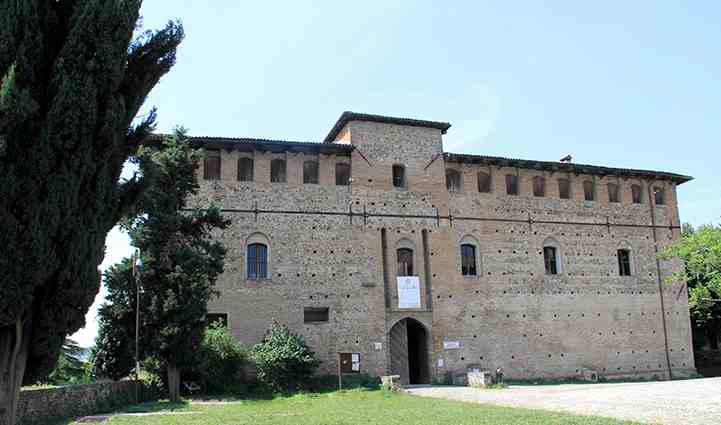
BAZZANO - Bologna
Bazzano is a village of 6.917 inhabitants in the province of Bologna. The first settlements are very old, as evidenced by the remains found in the area and now exposed into the Crespellani Museum, whi
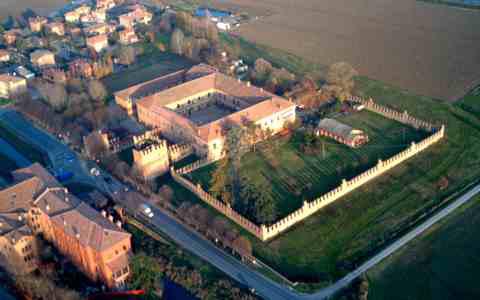
BENTIVOGLIO - Bologna
Bentivoglio is a municipality fo 5.495 inhabitants in the province of. Its name comes from the homonymous noble family of Bologna, who here built a castle in about 1500, called Domus Jocunditas, that
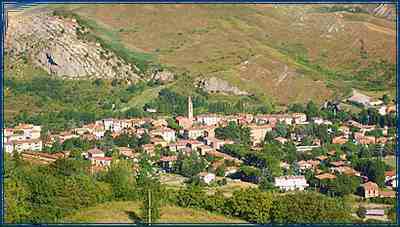
Tossignano - Bologna
Borgo Tossignano is a municipality of 3.273 inhabitants, in the Santerno Valley, in the province of Bologna. Its origins are ancient, dating back to the Iron Age (IX - VIII century b.C.), but the name
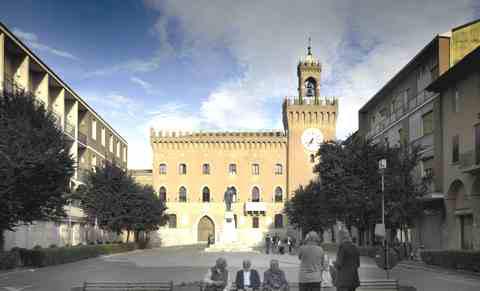
BUDRIO - Bologna
Budrio is a village of 18,479 inhabitants in the province of Bologna. Its origins are ancient, even date back to the Villanovian civilization, as evidenced by the many finds found in the area and expo
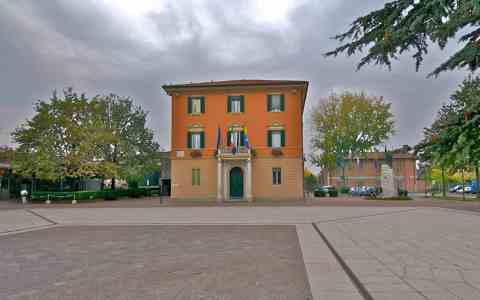
CALDERARA DI RENO - Bologna
Calderara di Reno is a town of 13,260 inhabitants in the province of Bologna. Its origins are very ancient, and probably date back to Villanovian time, in this area is also ensured the Roman presence;
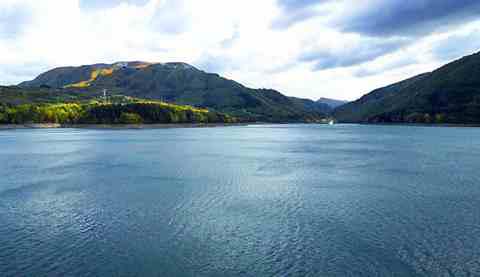
CAMUGNANO - Bologna
Camugnano is a town of 1,849 inhabitants in the province of Bologna. Its origins are ancient, even dating to the Bronze Age, as evidenced by the discovery of 14 axes and some votive statuettes found n
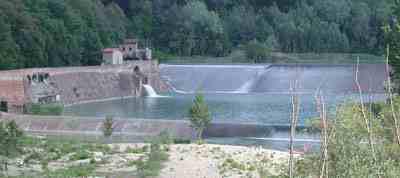
CASALECCHIO DI RENO - Bologna
Casalecchio di Reno is a municipality in the province of Bologna, at about 8 km. The name probably has Roman origins, and comes from "Casaliculum", which means "small agglomerate of houses", but the f
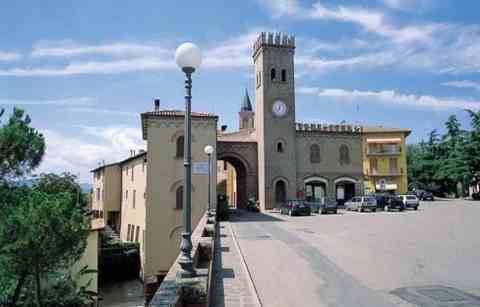
CASALFIUMANESE - Bologna
Casalfiumanese is a town with 3,441 inhabitants in the province of Bologna, in the Santerno river valley. Its origins are very ancient, dating back as far as the Bronze Age, as evidenced by some findings
CASTEL D'AIANO - Bologna
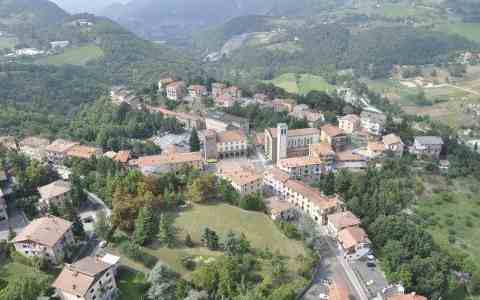
Castel d'Aiano is a village of 1,857 inhabitants in the province of Bologna. Its origins date back to Roman times, and it is thought that its name derives from the Roman family to whom this area had b
CASTEL DEL RIO - Bologna
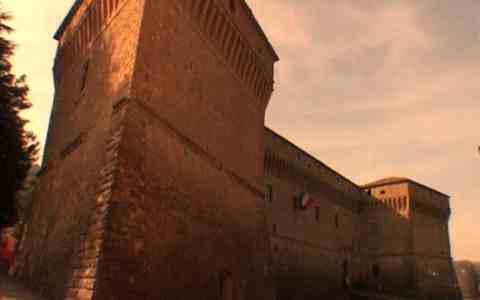
Castel del Rio is a municipality of 1,229 inhabitants in the province of Bologna. Its origins date back very likely to the 6th and 7th centuries, as evidenced by some artifacts found in the area. In the 10th century
CASTEL DI CASIO - Bologna
Castel di Casio is a municipality of 3,427 inhabitants in the province of Bologna. It is located in the beautiful Limetra di Treppio Valley, a tributary of the river Reno. The name is of Roman origin,
CASTEL GUELFO di BOLOGNA
Castel Guelfo di Bologna is a village of 4.482 inhabitants in the province of Bologna. Its name derives from Castrum Guelfum, Guelph fortification dating back to 1309, when a castle was built to defen
CASTEL MAGGIORE - Bologna
Castel Maggiore is a city of 18,298 inhabitants in the province of Bologna. In ancient times its name was Castaniolo, and its origins date back to the Roman imperial era, as evidenced by some discover
CASTLE OF CLAY - Bologna
Castello d'Argile is a municipality of 6,509 inhabitants in the province of Bologna. Its name derives from the Latin "Argiletum", word used by the Romans to indicate a territory rich in clay; the addi
CASTELLO DI SERRAVALLE - Bologna
Castello di Serravalle is a village of 4,902 inhabitants in the province of Bologna. Its origins are very old, and thanks to the findings found in the area there are testimonies of the presence of Etr
CASTEL SAN PIETRO TERME - Bologna
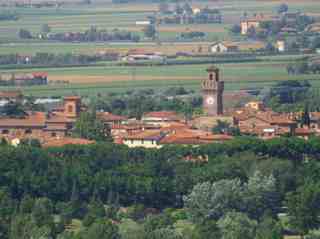
Castel San Pietro Terme, known by locals as Castel San Pír or Castel San Pídar, is a commune of the metropolitan city of Bologna, which is named after an ancient Basilica dedicated to Saints Peter and
CASTENASO - Bologna
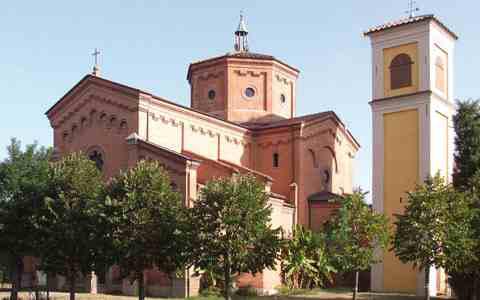
CASTENASO is a town with 15,214 inhabitants in the province of Bologna. The first settlements date back to 900 BC and are linked to the Villanovan culture; the presence of the Romans is also well documented
CASTIGLIONE DEI PEPOLI - Bologna
Castiglione di Pepoli is a village of 5,505 inhabitants in the province of Bologna. The area has been inhabited by Etruscans and Romans, but the period of greatest development, also characterized by n
CRESPELLANO - Bologna
Crespellano is a municipality of 10,117 inhabitants in the province of Bologna. As evidenced by some findings made in the area, it has been inhabited by Villanovian, Etruscan, Galli Boi and Romans, to
CREVALCORE - Bologna
Crevalcore is a town with 13,544 inhabitants in the province of Bologna. The origins of its name are very uncertain, as are those of the city; probably the first castle of Crevalcore was built
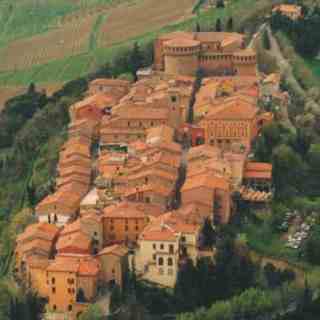
DOZZA - Bologna
Dozza is one of the most fascinating villages in the metropolitan city of Bologna. Situated on the first hills that, from Via Emilia, rise to the Tuscan-Romagna Apennines, with the village of Toscanel
FONTANELICE - Bologna
Fontanelice is a village of 1,936 inhabitants in the province of Bologna. It is located in the Santerno Valley, and its origins date back to prehistory, as evidenced by the many finds found in the are
GAGGIO MONTANO - Bologna
Gaggio Montano is a village of 4,838 inhabitants in the province of Bologna. The origins of the town are very old, in fact here were found remains dating back to the Bronze Age and the Villanovan Age.
GALLIERA - Bologna
Galliera is a village of 5.444 inhabitants in the province of Bologna. The territory was inhabited by the Romans and the Galli Boi, as evidenced by some remains found in the area. Already in the Roman
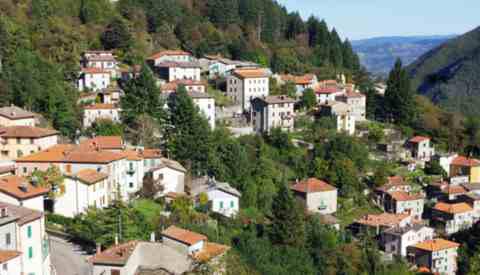
TUMULT - Bologna
Granaglione is a town with 2,222 inhabitants in the province of Bologna. As of January 1, 2016, Granaglione became a locality of the municipality of Alto Reno Terme, a new local entity formed from the merger of several towns
GRANAROLO EMIILIA - Bologna
Granarolo dell'Emilia is a town of 12.042 inhabitants in the province of Bologna. As evidenced by the graves found not far away, the first inhabitants of the area were the Villanoviani, but remains we
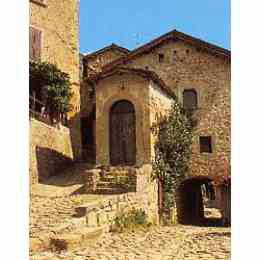
Grizzana Morandi - Bologna
Grizzana Morandi, a mountain resort in the province of Bologna, is home to suggestive naturalistic settings and sites of historical and artistic interest. Situated on the ridge between the valleys of
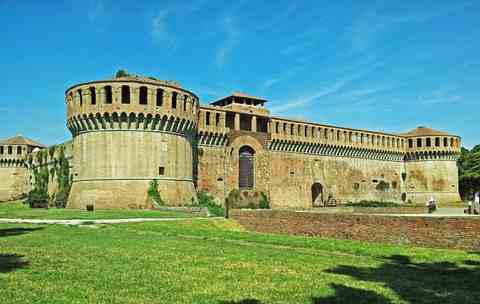
IMOLA - Bologna
Imola is a beautiful town of 69,938 inhabitants in the Emilia-Romagna, and is located 30 km from Bologna and about 60 from the Riviera. The city was founded by Lucio Cornelio Silla, in the 82 b.C., an
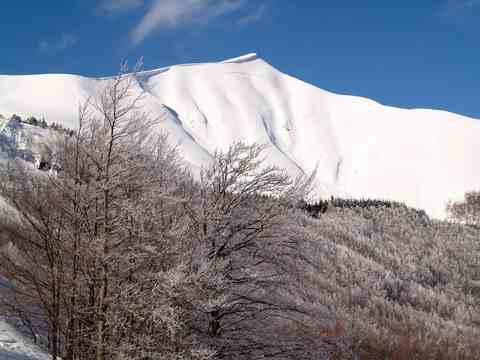
LIZZANO IN BELVEDERE - Bologna
Lizzano in Belvedere is a village of 2,250 inhabitants in the province of Bologna. Its origins are ancient, in fact at Rocca Corneta and the Sboccata dei Bagnadori were even found evidence of the exis
LOIANO - Bologna
Loiano is a village of 4.347 inhabitants in the province of Bologna. Its origins date back most probably to the Roman period, as evidenced by various findings made in the area. Given its position, the
MALALBERGO - Bologna
Malalbergo is a municipality of 8.977 inhabitants in the province of Bologna. Its origins date back probably to the Bronze Age, as evidenced by the discovery of a settlement dating back to that period
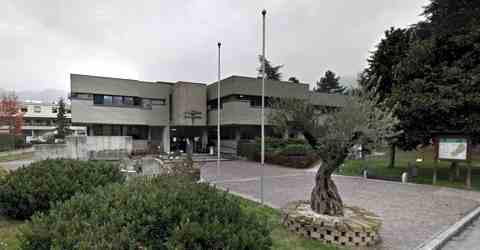
MARZABOTTO - Bologna
Marzabotto is a village of 6,812 inhabitants in the province of Bologna. Its origins probably date back to the Etruscan period. Given its position as a border between the territory of Bologna and Tusc
MEDICINE - Bologna
Medicina is a town of 16,878 inhabitants in the province of Bologna. Its name derives from the Latin, and means "place where you get medical, you heal". As shown by many archaeological finds, the area
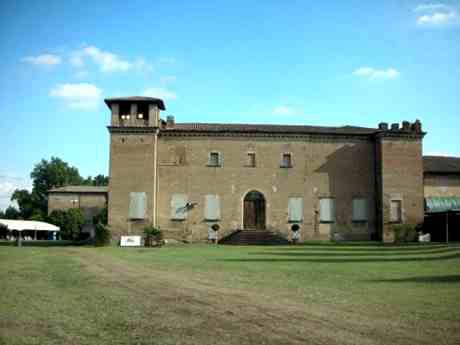
MINERBIO - Bologna
Minerbio is a municipality of 8.770 inhabitants in the province of Bologna. The origins of the village date back to Roman times, as evidenced by its name, which seems to derive from that of the goddes
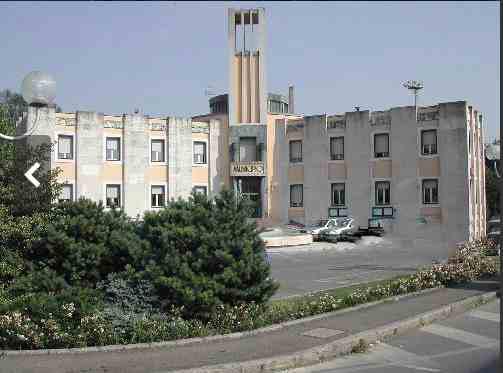
MOLINELLA - Bologna
Molinella is a town of 15,576 inhabitants in the province of Bologna. The name probably derives from the large number of mills in the area and fundamental for the economy, while its origins can be tra
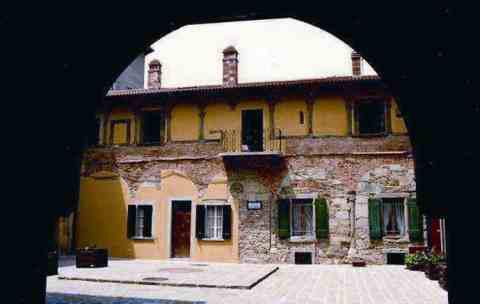
MONGHIDORO - Bologna
Monghidoro is a village of 3,788 inhabitants in the province of Bologna. Due to its location, this area has always been a point of passage between the Pianura Padana and central Italy, and for this re
MONTERENZIO - Bologna
Monterenzio is a village of 6,028 inhabitants in the province of Bologna. Its name derives from the Latin Mons Renzuli, a name that the Romans gave to a mountain located to the east of the village. Th
MONTE SAN PIETRO - Bologna
Monte San Pietro is a municipality of 11,029 inhabitants in the province of Bologna. Some findings proving that the area was inhabited as early as 2500 b.C., during the Copper Age, but remains were fo
MONTEVEGLIO - Bologna
Monteveglio is a village of 5.105 inhabitants in the province of Bologna. Like the surrounding area, the territory of Monteveglio was also inhabited in the Neolithic period, but there are also traces
MONZUNO - Bologna
Monzuno is a village of 6.414 inhabitants in the province of Bologna. The first finds date back to the Neolithic Age, but the earliest settlements probably date back to the period of Imperial Rome. In
MORDANO - Bologna
Mordano is a village of 4,747 inhabitants in the province of Bologna. The first settlements date back to Roman times, and the first drainages are just due to the Romans, in addition to the constructio
OZZANO EMILIA - Bologna
Budrio is a village of 18,479 inhabitants in the province of Bologna. Its origins are ancient, even date back to the Villanovian civilization, as evidenced by the many finds found in the area and expo
PIANORO - Bologna
Pianoro (Pianôr, dialect), 17,000 inhabitants, recently ranked first in the province of Bologna and 14th in Italy among the 100 most happy villages. Located along the Futa road linking Bologna to Flor
PIEVE DI CENTO - Bologna
Pieve di Cento is a municipality of 7,010 inhabitants in the province of Bologna. Its origins date back to the VIII century, when the village developed around the church, the Pieve, one of the most im
PORRETTA TERME - Bologna
Located in the beautiful Tuscan-Emilian Apennines, Porretta Terme is part of the metropolitan city of Bologna. It is only 59 km from the provincial capital and is known for its thermal water benefits.
BOLOGNA HALL - Bologna
Sala Bolognese is a municipality of 8.361 inhabitants in the province of Bologna. Its origins date back to the Villanovan period, as evidenced by some findings made in the area, but probably the first
SAN BENEDETTO VAL DI SAMBRO - Bologna
San Benedetto Val di Sambro is a village of 4.348 inhabitants in the province of Bologna. Its origin is very recent, the end of 1800, when the two municipalities of Pian del Voglio and Poggio dei Ross
SAN GIORGIO DI PIANO - Bologna
San Giorgio di Piano is a town with 8,472 inhabitants in the province of Bologna. The first settlements in the area date back to Roman times, but the first documents mentioning San Giorgio are from 947
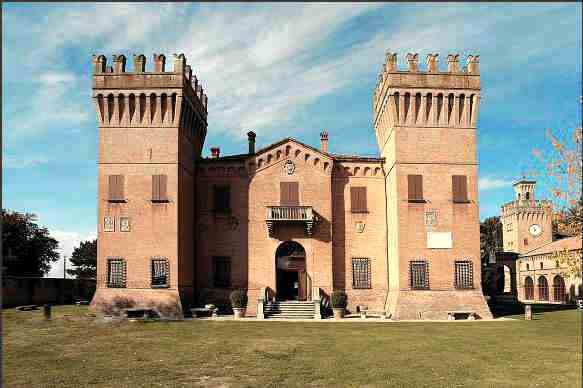
SAN GIOVANNI IN PERSICETO - Bologna
San Giovanni in Persiceto is a city of 28,016 inhabitants in the province of Bologna. Its origins are very ancient, and date back to the Bronze Age, but there are also news of celtic settlements and l
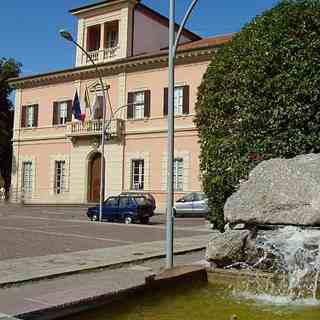
SAN LAZZARO DI SAVENA - Bologna
San Lazzaro di Savena is a commune of Bologna historically built at the intersection between Via Emilia and the Savena river.Its territory has been inhabited since ancient times by pre-Roman populatio
SAN PIETRO IN CASALE - Bologna
San Pietro in Casale is a municipality of 12,293 inhabitants in the province of Bologna. The findings made in this area, such as vases, cippi and sarcophagi, testify that the first settlements date ba
SANCTA AGATHA BOLONENSIS - Bologna
Sant'Agata Bolognese is a village of 7,283 inhabitants in the province of Bologna. As evidenced by some findings found in the area, the first settlements date back to the Bronze Age, but it is with th
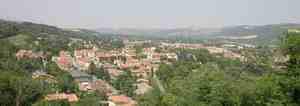
SASSO MARCONI - Bologna
Sasso Marconi is a town of 14.612 inhabitants in the province of Bologna. Its name comes from the cliff that lies just south (called "sasso") and by Guglielmo Marconi, the scientist who invented inven
SAVIGNO - Bologna
Savigno is a village of 2,735 inhabitants in the province of Bologna. As evidenced by the many findings found in the area, the territory of Savigno has been inhabited since ancient times, but the firs
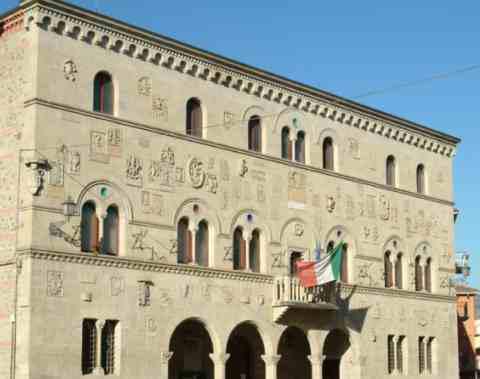
VERGATO- Bologna
Vergato is a small town of 7,714 inhabitants in the province of Bologna, which is about 42 kilometers away. Its origins are very ancient, even dating back to the Etruscan and Roman times: the "vergato
VALSAMOGGIA - Bologna
VALSAMOGGIA is a country of 30,800 inhabitants in the province of Bologna. It was formed in 2014 by the union of the municipalities of Bazzano, Crespellano, Monteveglio, Savigno and Castello di Serrav
VICIATICO - Bologna
Vidiciatico is a district of Lizzano in Belvedere of 714 inhabitants, in the province of Bologna. Its origins are ancient, in fact at Rocca Corneta and Sboccata of Bagnadori were even found evidence o
ZOLA PREDOSA - Bologna
Zola Predosa is a city of 18,625 inhabitants, in the province of Bologna. Its origins are very ancient and date back to the Bronze Age.In this area were found artifacts belonging to the Villanovian, E